
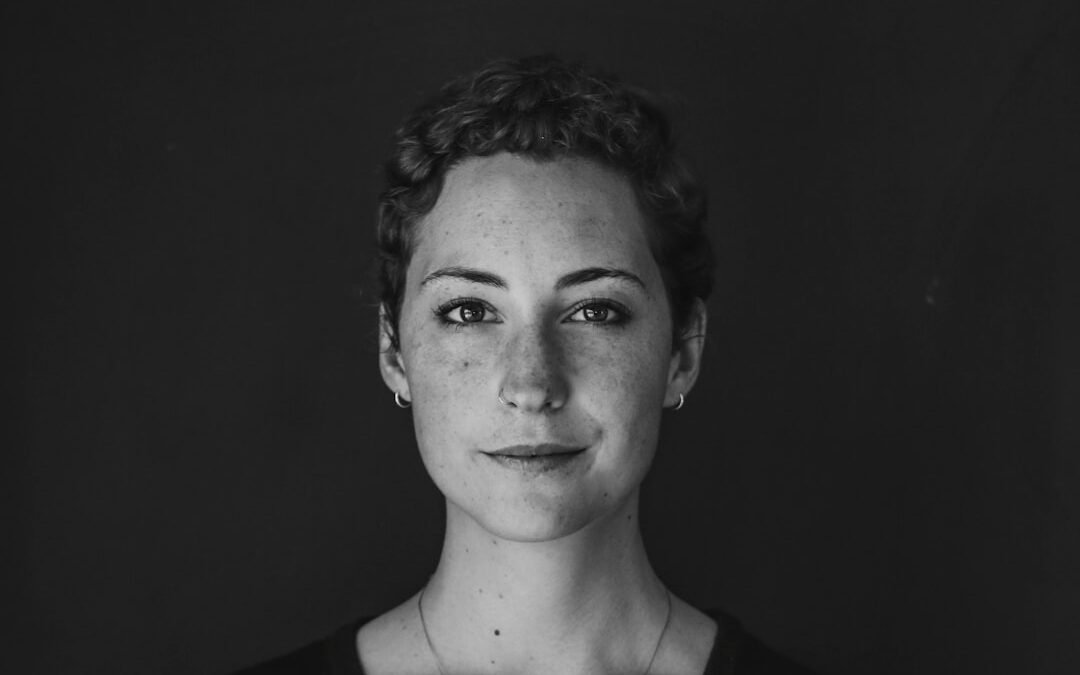
Alright, let’s talk headshots. You’re probably wondering, “What makes a headshot professional and how do I get one that actually helps me?” The short answer is: a good headshot is a clear, current, and approachable representation of you. It’s not about a fancy camera or a studio; it’s about conveying trustworthiness and personality in a way that resonates with whoever sees it. And yes, it absolutely matters for your career, whether you’re looking for a job, building a brand, or connecting with clients. Let’s break down how to nail yours.
Think of your headshot as your digital handshake. It’s often the first impression someone gets of you online, whether on LinkedIn, your company website, a dating profile, or even social media. It needs to be more than just a picture of your face.
More Than Just a Pretty Picture
A professional headshot is designed to make you look confident, competent, and accessible. It’s about projecting an image that aligns with the professional persona you want to present. This means avoiding casual snapshots, vacation photos, or anything that looks like it was taken on the fly.
Key Elements of a Successful Headshot
- Clarity: Your face should be sharp and well-lit. No blurry images or hard-to-distinguish features.
- Current Representation: It should look like you now. Not five, ten, or twenty years ago. Significant changes in hairstyle, weight, or facial hair should prompt an update.
- Approachability: You want to look like someone people would want to work with or connect with. A genuine smile or a friendly expression goes a long way.
- Appropriate Attire: What you wear should fit your industry and your professional role.
- Clean Background: The focus should be on you, not a distracting environment.
If you’re considering updating your professional image, you might find it helpful to read about the importance of professional headshots in enhancing your personal brand. For more insights on this topic, check out this related article on the significance of professional portraits: Have You Ever Had Professional Portraits Taken of Yourself? If Not, Why Not?. This article explores the benefits of investing in high-quality photography to make a lasting impression in your career.
Choosing the Right Photographer: It’s a Partnership
Finding a photographer who understands your goals is crucial. This isn’t just about booking a session; it’s about collaborating to achieve the best result.
What to Look for in a Headshot Photographer
- Portfolio Review: Look at their past headshot work. Do their subjects look natural and professional? Does their style align with what you’re going for?
- Specialization: While many photographers can take headshots, some specialize in them. They’ll have a better understanding of lighting, posing, and common industry expectations.
- Communication Style: Do they listen to your needs? Do they explain their process? Good communication ensures you’re on the same page from the start.
- Reviews and Testimonials: See what past clients have to say. This can give you a realistic idea of their professionalism and the quality of their results.
Understanding Different Photography Styles
- Studio vs. On-Location: Studio sessions offer controlled lighting and a clean backdrop. On-location shoots can incorporate natural light and potentially more dynamic backgrounds that might be relevant to your profession (e.g., a cityscape for a real estate agent).
- Lighting Techniques: Photographers use various lighting setups to achieve different moods – from bright and airy to more dramatic. Discuss what might best suit your needs.
Preparing for Your Session: Setting Yourself Up for Success
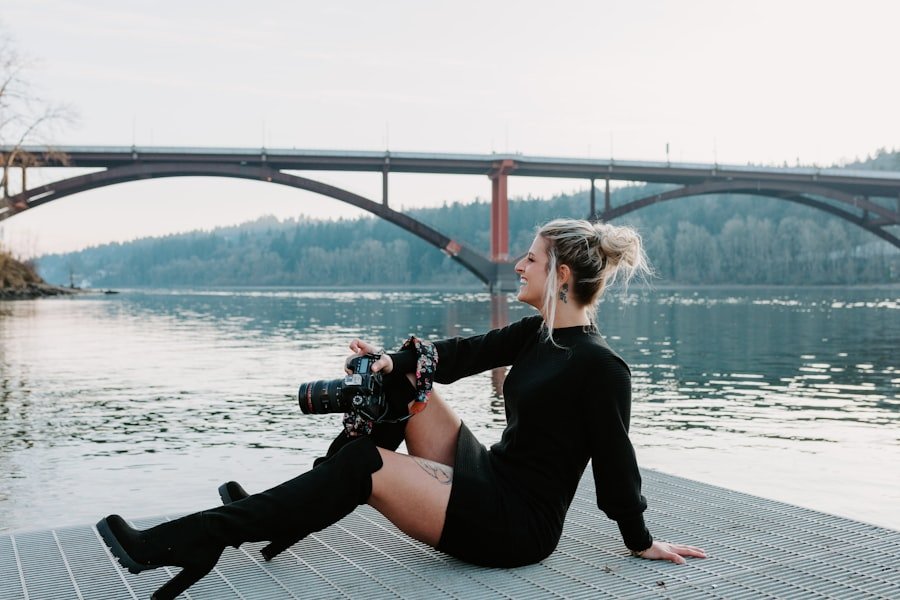
The actual photo shoot is just one part of the process. How you prepare can significantly impact the final outcome.
Wardrobe Choices: Dressing for Impact
Your clothing is a powerful communication tool. It needs to support your professional image, not detract from it.
Industry-Specific Dress Codes
- Corporate/Formal: Think well-fitting suits, blouses, crisp shirts, and tailored dresses. Neutral colors are often best.
- Creative/Tech: You might have more flexibility. Consider smart casual attire, but still aim for polished. Avoid overly branded items or busy patterns.
- Trades/Hands-On Professions: Consider what you wear on a typical workday, but ensure it’s clean and professional. A clean work shirt or a smart polo can work well.
General Wardrobe Tips
- Fit is Key: Ill-fitting clothes look unprofessional, regardless of the brand.
- Color Palette: Solid, neutral colors (blues, grays, whites, blacks, deep greens, burgundy) tend to be most effective. Avoid neon colors or overly vibrant patterns that can be distracting.
- Necklines: V-necks and scoop necks can be flattering, but avoid anything too low-cut.
- Avoid Logos and Busy Patterns: These can date your photo and pull focus away from your face.
- Bring Options: Most photographers will encourage you to bring a few different outfits so you can choose what works best during the session.
- Iron/Steam: Wrinkles are glaringly obvious in photos.
Hair and Makeup: Polishing Your Look
This is about enhancing your natural features, not transforming yourself into someone unrecognizable.
Hair Considerations
- Your Usual Style: Opt for a hairstyle you’re comfortable with and regularly sport. If you’re thinking of a drastic change, do it well in advance of your shoot.
- Clean and Tidy: Ensure your hair is clean, styled, and free of flyaways.
- Consider Updos or Styles that Frame Your Face: Some styles can highlight your bone structure. Discuss this with your photographer.
Makeup Tips
- Subtlety is Key: Aim for a natural, polished look. Think how you’d look for an important meeting or event.
- Matte Finish: Avoid shiny or glittery makeup, as it can create glare.
- Even Skin Tone: Concealer and foundation can help create a smooth canvas.
- Eyes: Define your eyes subtly with eyeliner and mascara; it helps them stand out in photos.
- Lips: A natural lip color or a neutral gloss works well.
- Consider a Professional: If you’re not comfortable with makeup, booking a makeup artist who specializes in headshots can be a worthwhile investment. They know how makeup translates to the camera.
What to Bring to the Shoot
Beyond your outfits, a little preparation can make the session smoother.
- All Your Outfit Options: Packed neatly.
- Accessories: Simple jewelry, a watch, etc. (if you wear them regularly).
- Grooming Essentials: A comb or brush for touching up your hair, blotting papers for shine, any personal makeup items for touch-ups.
- Any Specific Requests or Inspiration: If you have examples of headshots you like, share them with your photographer beforehand.
During the Session: Posing and Expression
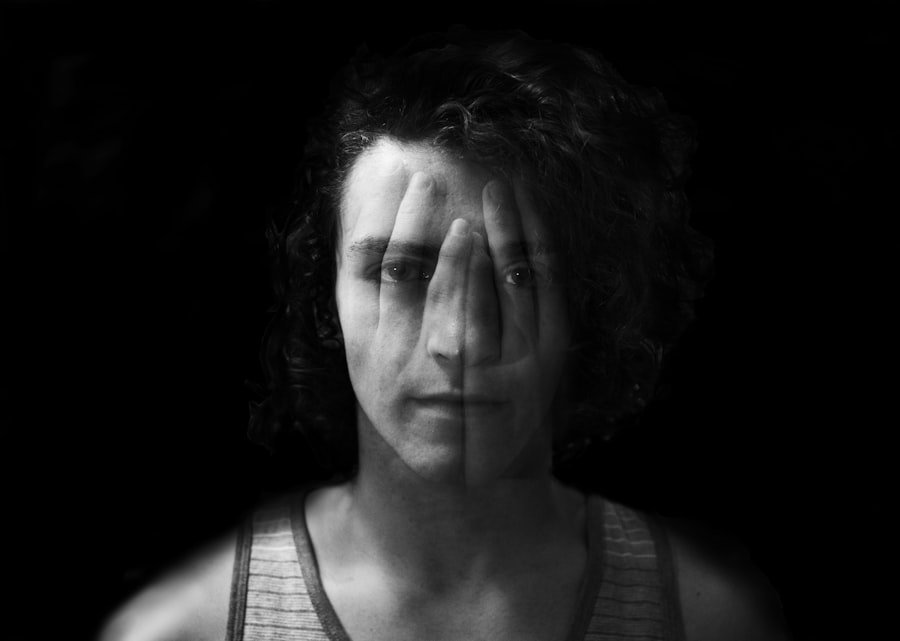
This is where the magic happens, and a good photographer will guide you through it. But knowing a little about posing and expression will help you feel more confident.
Posing for Your Best Angle
The goal is to look natural and relaxed, not stiff or forced.
Common Posing Techniques
- The ¾ Turn: Often, turning your body slightly away from the camera and then turning your head back towards it creates a more flattering and dynamic look than a full frontal pose.
- Shoulder Placement: Angling your shoulders can make your face appear more sculpted.
- Subtle Adjustments: Your photographer will likely guide you on slight shifts in posture, head tilt, and chin elevation. Small adjustments can make a big difference.
- Hands: If your hands are in the frame, try to keep them relaxed, perhaps lightly resting on your lap or by your side. Avoid clenched fists or awkward angles.
Capturing the Right Expression
This is where approachability and personality come in.
The Smile Factor
- Genuine is Best: A forced smile looks just that – forced. Try to think of something that genuinely makes you happy or amused.
- Relaxed Mouth: A relaxed smile often starts with relaxed lips.
- “The Squinch”: This is a little trick where you slightly squint your lower eyelids. It helps to define your eyes and make your gaze more intense and confident, without looking unnatural.
- Chin Position: Avoid jutting your chin forward, which can create unwanted shadows. Slightly tucking your chin can define your jawline.
Eye Contact
- Directly into the Lens: This is usually the goal for professional headshots to create a connection.
- Engaging Gaze: Your eyes should convey confidence and openness.
Working with Your Photographer
- Communicate: If something feels uncomfortable or you’re unsure about a pose, speak up!
- Trust Their Expertise: They are professionals, and they know how to bring out your best.
- Take Direction: Be open to trying different poses and expressions. You might be surprised by what looks good.
When considering the importance of professional headshots, it’s essential to understand how personal branding can significantly impact your career. A related article discusses the reasons why some individuals hesitate to embrace modern photography styles, such as boudoir shoots, and why they might be missing out on valuable opportunities. You can read more about this topic in the article here, which highlights the transformative power of professional imagery in various contexts.
Post-Session: Selecting and Refining Your Headshot
| Metrics | Results |
|---|---|
| Number of professional headshots taken | 500 |
| Customer satisfaction rate | 95% |
| Average turnaround time | 3 days |
| Number of repeat customers | 200 |
The session is over, but your work isn’t quite done. Choosing the right image and any necessary retouching is vital.
Selecting the Best Image
- Your Photographer’s Guidance: They have a trained eye and can help you identify the strongest options.
- Look for Naturalness: Does it look like you on a good day?
- Assess the Expression: Is it approachable? Confident?
- Consider the Background and Lighting: Does it complement your features?
- Get a Second Opinion: Ask a trusted colleague or friend which image they feel best represents you professionally.
The Art of Retouching
Retouching can enhance a good photo, but it shouldn’t turn you into a different person.
What Retouching Can (and Should) Do
- Even Skin Tone: Subtle adjustments to color balance and minor blemishes.
- Soften Fine Lines: Minor smoothing, but not to the point of looking artificial.
- Remove Temporary Imperfections: Zits, stray hairs, minor lint on clothing.
- Color Correction: Ensuring colors are accurate.
What Retouching Should NOT Do
- Change Your Features: Drastically altering your face shape, nose, or eye size.
- Remove Your Personality: Over-smoothing can make you look like a mannequin.
- Make You Look Younger Than You Are: The goal is to look current and professional, not to defy age.
File Formats and Usage
- High Resolution: Always ensure you get a high-resolution file suitable for printing and larger online use.
- Web-Optimized: Most photographers will also provide a web-optimized version, which is smaller in file size but still clear.
- Know Where You’ll Use It: This can inform the cropping and overall feel of the final image. A LinkedIn headshot might be slightly different from one used on your personal website.
When considering the importance of professional headshots, it’s essential to understand how they can significantly enhance your personal brand and online presence. A well-crafted headshot can convey confidence and professionalism, making a lasting impression on potential clients or employers. For those interested in exploring different styles of photography, you might find this article on boudoir photography particularly intriguing, as it highlights the artistry and personal expression that can also be applied to professional portraits.
Where and How to Use Your Professional Headshot
Now that you’ve got a great headshot, it’s time to put it to work.
Essential Online Platforms
- LinkedIn: This is arguably the most critical platform for a professional headshot. It’s your digital resume and networking hub. Make sure your profile picture is recent and professional.
- Company Website/Intranet: If your company has an “About Us” page or a team directory, your headshot should be there.
- Professional Social Media: For some industries, this might include Twitter, Instagram (if used professionally), or industry-specific forums.
- Personal Website/Portfolio: If you freelance or run your own business, your website is your digital storefront.
Beyond the Digital Space
- Business Cards: Even in a digital age, a professional headshot on your business card can make you more memorable.
- Conference Speaker Bios: When you’re speaking at an event, your headshot will often accompany your bio.
- Press Releases: If you’re being featured in the news, a professional headshot is often requested.
Consistency is Key
- Brand Cohesion: Ideally, use the same, or a very similar, headshot across all your professional platforms. This helps build brand recognition and ensures people know it’s you.
- When to Update: As mentioned earlier, if your appearance changes significantly, or if your current headshot is more than 3-5 years old (depending on how much things change in that time), it’s probably time for an update. Your professional image should evolve with you.
Mastering your professional headshot is an investment in yourself and your career. By understanding what makes a good headshot, preparing thoughtfully, and working with a good photographer, you can create an image that opens doors and makes a lasting, positive impression.