
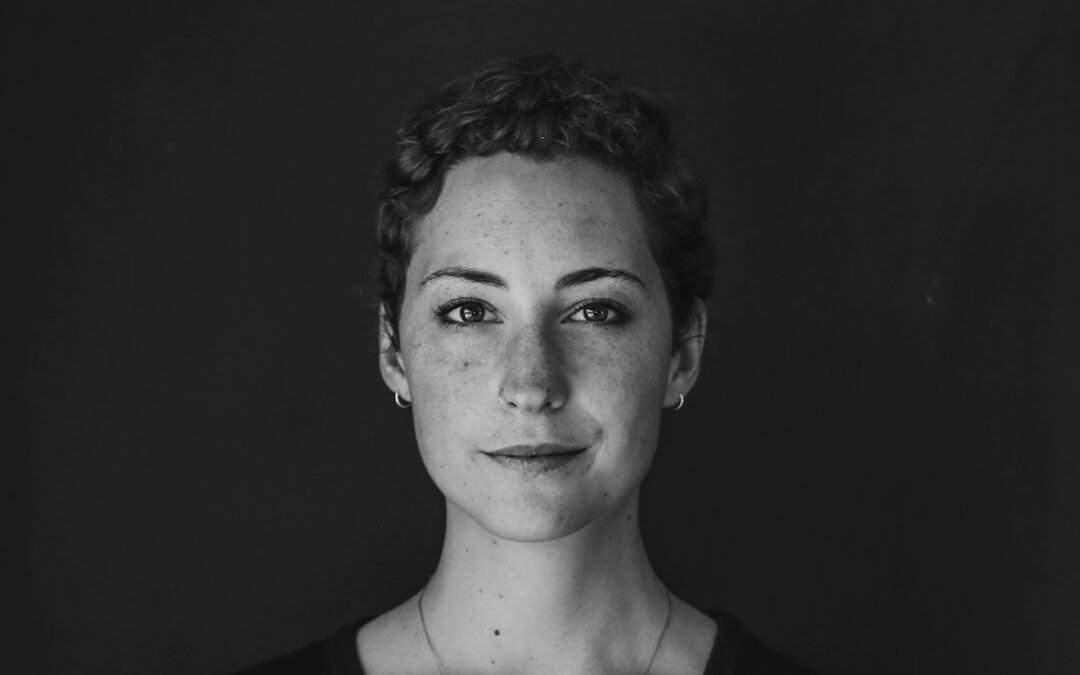
Headshots. You know, those professional photos used everywhere from LinkedIn and company websites to author bios and speaker introductions. They’re more than just a picture; they’re often your first impression in the professional world. So, how do you get a good one? It really boils down to working with a skilled photographer who understands the art and science behind capturing a killer headshot. Let’s dive into what makes a great headshot photographer and what you can expect from the process.
A photographer isn’t just someone with a fancy camera. For headshots, they’re a director, an architect of light, and a keen observer of human expression. Their expertise goes far beyond clicking a shutter.
Beyond the Click: What a Photographer Brings
Think of a skilled headshot photographer as a translator. They translate your professional persona into a visual language that resonates with your target audience. This involves understanding your industry, your goals, and what kind of impression you want to make.
Technical Skills: The Foundation
This is non-negotiable. A photographer needs a solid grasp of technical aspects.
Lighting Mastery
This is arguably the most crucial element. A photographer knows how to use natural light effectively, where to place studio lights to sculpt your face, and how to avoid harsh shadows or unflattering glare. They understand soft light for a friendly look, dramatic light for a more powerful stance, and everything in between. They’ll explain why they’re using a particular light setup, connecting it back to the desired outcome.
Understanding Lenses and Depth of Field
The right lens choice, and its aperture setting (depth of field), can make a massive difference. A wider aperture (lower f-number) creates a blurred background, making you pop. A narrower aperture keeps more in focus. A good photographer selects the lens and aperture that best isolates you and prevents distractions.
Color Theory and White Balance
Subtle but important, a photographer ensures skin tones look natural and accurate. They’ll meticulously adjust white balance so your skin doesn’t look too warm or too cool, and that colors in your clothing and the background are represented faithfully.
Artistic Vision: The ‘X-Factor’
This is where the magic really happens. It’s about more than just technically correct images; it’s about creating something compelling.
Composition and Framing
Where you are placed within the frame, how much of you is shown (head and shoulders, waist up), and the negative space around you all contribute to the impact. A pro considers these elements to guide the viewer’s eye and create a balanced, aesthetically pleasing image.
Posing Guidance
You might feel awkward standing in front of a camera. A skilled photographer is exceptional at providing subtle, natural-looking posing cues. They’ll guide you on where to place your hands, how to adjust your shoulders, and the angle of your head. It’s not about stiff, unnatural poses, but rather about finding comfortable and flattering stances that convey confidence and approachability. They’ll explain why a slight tilt of the head or a relaxed hand posture works.
Expression Direction
This is often the hardest part for individuals. A photographer doesn’t just say “smile.” They’ll engage you in conversation, tell jokes, or give prompts that elicit genuine expressions. They know how to capture that natural smile, that thoughtful gaze, or that confident look that truly represents you. They’ll often shoot a series of shots, capturing micro-expressions, and know the one that hits the mark.
If you’re considering the importance of a professional headshot, you might find it helpful to read an insightful article on the topic. It discusses the benefits of having professional portraits taken and addresses common hesitations people may have. You can check it out here: Have You Ever Had Professional Portraits Taken of Yourself? If Not, Why Not?. This resource can provide you with valuable information on how a professional headshot can enhance your personal brand and make a lasting impression.
The Photographer-Client Relationship: A Partnership
Your headshot session is a collaborative effort. The best photographers view it as a partnership, working with you to achieve the best results.
Communication is Key
Before the camera even comes out, a good photographer will want to chat.
Initial Consultation & Understanding Your Needs
This is where the photographer starts to get to know you. They’ll ask about:
- Your industry: A lawyer’s headshot might need to convey gravitas, while a creative professional’s might be more playful.
- Your target audience: Who are you trying to impress or connect with?
- Your personal brand: What are the key traits you want your headshot to communicate (e.g., approachable, authoritative, innovative, reliable)?
- Where the photos will be used: LinkedIn, a website, a speaker bio, a trading card – each has different requirements.
- Your preferences: Do you have any specific styles you like or dislike? Are there colors or outfits you definitely want to avoid or incorporate?
This conversation helps them tailor the session and understand the emotional tone required. They’re not just taking pictures; they’re building a strategy.
Setting Expectations
A skilled photographer will be transparent about the process, what you can expect in terms of timing, the number of shots, and the final delivery. They won’t promise unrealistic retouching or guarantee a specific outcome without understanding your starting point.
Building Rapport
Feeling comfortable in front of the camera is half the battle. A photographer who can put you at ease is invaluable.
Creating a Relaxed Atmosphere
A tense subject makes for a tense photo. A good photographer will create a welcoming and relaxed environment, whether in a studio or on location. This might involve casual conversation, playing music, or simply having a friendly demeanor. They understand that your comfort directly translates into more natural and authentic expressions.
Providing Clear, Encouraging Direction
No one likes feeling lost or critiqued. A photographer should offer clear, constructive feedback and direction for posing and expression. They’ll guide you confidently, making you feel supported rather than scrutinized. Instead of saying “That’s not good,” they might say, “Let’s try turning your shoulders just a little more this way, you’ve got a great connection there.”
The Technical Setup: More Than Just a Camera
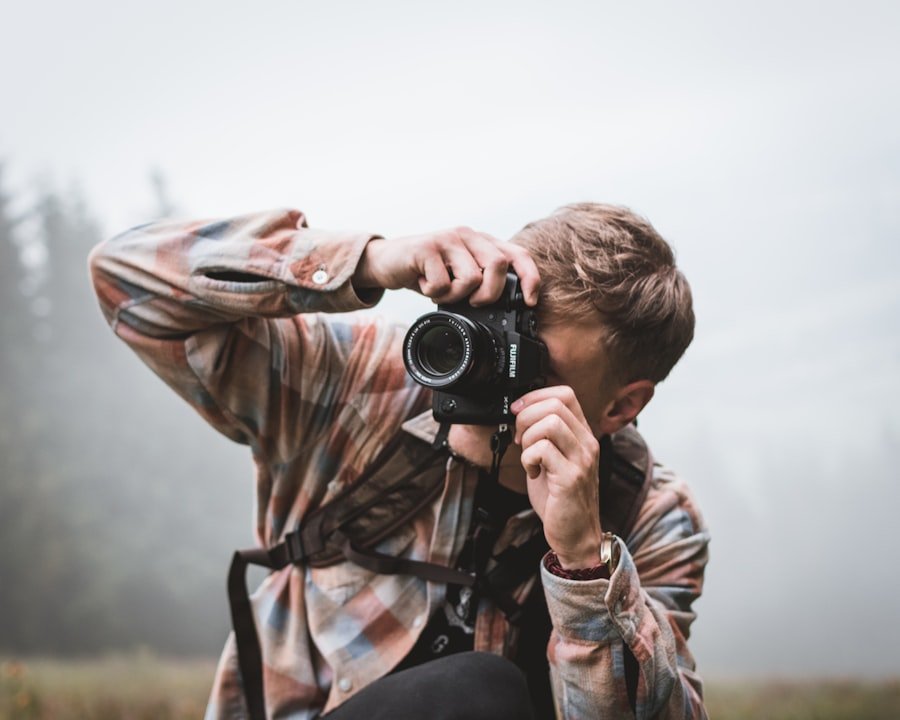
While the photographer’s eye is paramount, the technical elements they employ are crucial to bringing their vision to life.
Studio vs. On-Location
The choice significantly impacts the mood and feel of your headshot.
Studio Advantages
Studios offer controlled environments. This means a photographer has complete command over lighting, background, and potential distractions.
Consistent Lighting
A studio allows for precise manipulation of light. Whether it’s a classic Rembrandt lighting setup for a classic look or a more diffused, even light for a friendly feel, the photographer can replicate it consistently. This is essential if you need multiple shots with a uniform style.
Background Options
Studios typically have a range of seamless backdrops, from pure white and grey to colored options. This ensures the focus remains squarely on you, the subject.
On-Location Benefits
Shooting outside a studio can add context, personality, and a distinct visual narrative.
Incorporating Your Environment
If you work in a specific industry or want to convey a certain lifestyle, an on-location shoot can be incredibly powerful. Think a cityscape for a tech entrepreneur, a natural setting for an author, or a vibrant office space for a team.
Natural Light Utilization
Skilled photographers can expertly harness natural light on location to create beautiful, often softer and more organic, effects than can be achieved in a studio. They understand how to work with weather and time of day.
Essential Gear for Great Headshots
It’s not just about the camera body. It’s the system.
The Camera and Lenses
While most modern cameras are capable, a professional photographer will use high-quality equipment designed for portraiture.
Prime Lenses for Detail and Bokeh
Lenses with a fixed focal length (prime lenses) often offer superior sharpness and wider apertures, which are fantastic for creating that pleasing background blur (bokeh), isolating you from distractions. Common choices include 50mm, 85mm, or 105mm lenses.
Versatile Zoom Lenses
For certain situations or if variety is needed quickly, high-quality zoom lenses can also be excellent tools in a photographer’s kit.
Lighting Equipment
This is where a photographer truly sets themselves apart.
Strobes and Continuous Lights
From powerful studio strobes to portable speedlights and continuous LED panels, photographers use various lighting sources. They understand how to modify this light with softboxes, umbrellas, and grids to sculpt your features.
Modifiers for Light Shaping
These are the accessories that transform raw light into something flattering. Softboxes create soft, diffused light. Umbrellas spread light widely. Grids focus light, allowing for more precise control and to prevent spill onto unwanted areas.
The Editing Process: Polishing the Gem
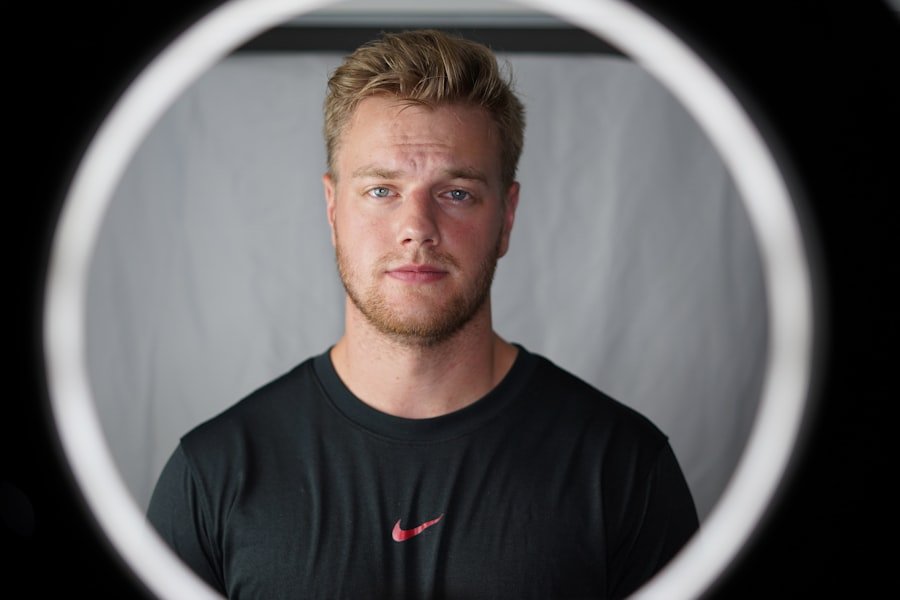
The capture is only the first step. The editing phase is where a photographer refines the image to its full potential.
Subtle Retouching vs. Over-Processing
This is a critical distinction. A skilled photographer aims for enhancement, not artificial transformation.
Skin Toning and Blemish Removal
The goal is to smooth out minor imperfections like temporary blemishes, redness, or uneven skin tone without making you look like a plastic doll. It’s about making you look like the best version of yourself on a good day.
Eye Enhancement
Eyes are incredibly important in a headshot; they convey emotion and connect with the viewer. Photographers will subtly enhance the brightness and catchlights in your eyes to make them sparkle and appear more engaging.
Color Correction and Grading
Beyond just white balance, photographers will often adjust overall color tones to create a specific mood or ensure consistency across a set of images. This might involve a slightly warmer tone for approachability or cooler tones for a more serious feel.
Delivering the Final Product
The way you receive your images matters.
File Formats and Resolution
A professional will provide you with files suitable for their intended use, typically high-resolution JPEGs for print and web, and potentially web-optimized versions for faster loading on websites.
Consistency Across a Set
If you’re getting multiple headshots, a good photographer ensures they have a consistent look and feel, making them work harmoniously if used together on a website or in marketing materials.
When preparing for a professional headshot session, it’s essential to consider your outfit choices, as they can significantly impact the final result. For some great inspiration on what to wear, you might want to check out this article on outfit ideas for your boudoir experience, which offers valuable tips that can also apply to headshots. By selecting the right attire, you can ensure that your personality shines through in your images, making them more engaging and memorable.
Choosing the Right Photographer for Your Needs
| Metrics | Data |
|---|---|
| Number of Headshots Taken | 500+ |
| Client Satisfaction Rate | 95% |
| Turnaround Time | 3-5 business days |
| Experience | 10+ years |
| Locations Served | Nationwide |
Not all photographers are created equal, especially when it comes to headshots.
Look for Specialization
Someone who focuses specifically on headshots will have honed their skills in this particular niche.
Portfolio Review
This is your best indicator. Look for a photographer whose headshot portfolio consistently features subjects with natural expressions, good lighting, and a style that resonates with you. Do the people in their photos look comfortable and confident?
Understanding Your Industry’s Conventions
While individuality is key, understanding the general expectations within your professional field can help you narrow down choices.
Beyond the Price Tag
The cheapest option is rarely the best when it comes to something as important as your professional image.
Value Over Cost
Consider what you’re getting for your investment: the photographer’s expertise, their equipment, their time, their guidance, and the quality of the final output. A more experienced photographer might charge more, but their ability to deliver a consistently great result can be well worth it.
Redundancy and Revision Policies
Understand the photographer’s policy on reshoots or revisions. A professional will often offer a satisfaction guarantee or a clear process for addressing any concerns you might have.
By understanding what makes a skilled headshot photographer tick, you can approach your next session with more confidence and significantly increase your chances of walking away with an image that truly represents your professional best. It’s an investment in your career, so choosing the right artist for the job is a smart move.