
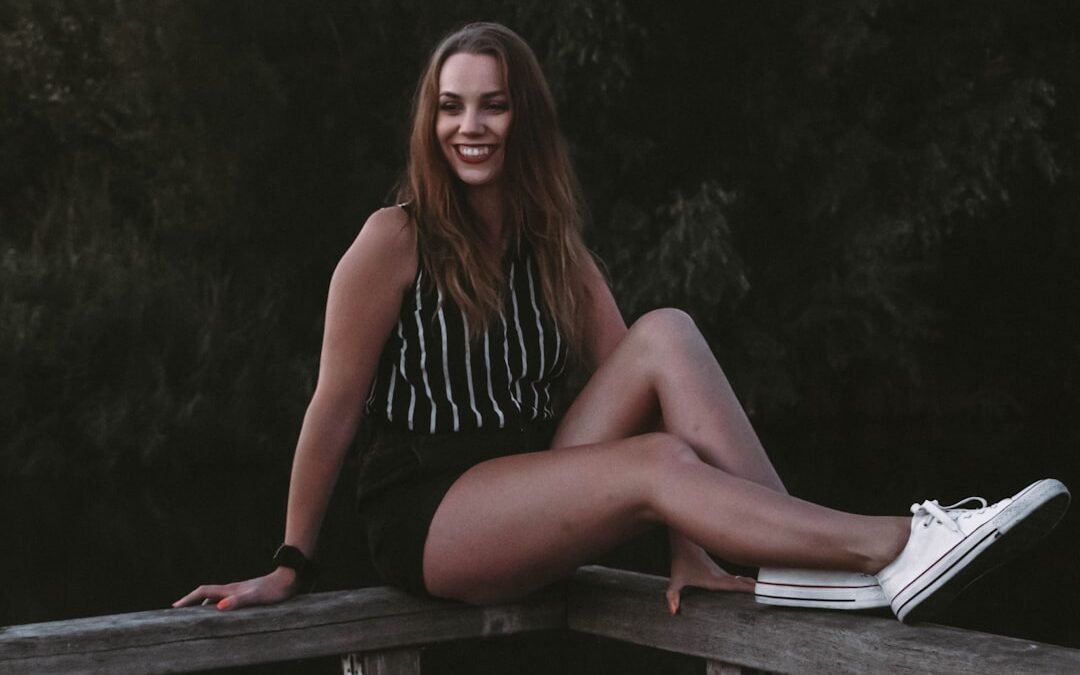
Alright, let’s talk about senior photos – those fantastic snapshots marking the end of one big chapter and the start of another. The main goal here is to create photos that genuinely reflect who you are right now, something you and your family will cherish for years. It’s less about stiff poses and more about capturing your personality and passions. Think of it as a personalized time capsule.
Planning Your Senior Photoshoot: Setting the Stage
Getting the groundwork laid out before the camera even comes out makes a huge difference. A little preparation goes a long way in ensuring your photos are exactly what you envisioned.
Understanding Your Vision
Before anything else, spend some time thinking about what you want from these photos.
- What’s Your Vibe? Are you looking for something classic and timeless, a bit edgy and modern, or perhaps more natural and relaxed? Browsing Pinterest or Instagram for inspiration can be incredibly helpful. Save images that resonate with you to share with your photographer.
- Location, Location, Location: Do you have a favorite spot? Maybe your high school football field, a cozy café you frequent, a park you grew up near, or even just a cool mural in town? Consider places that hold personal meaning.
- Budgeting Realistically: Senior photos can range quite a bit in price. Factor in the photographer’s fee, potential location permits, outfit changes, and any prints or albums you might want. Be upfront with your photographer about your budget so they can tailor a package that works for you.
Choosing Your Photographer Wisely
This is a big one. Your photographer isn’t just someone pressing a button; they’re an artist who will translate your vision into images.
- Portfolio Review: Look through their previous senior portrait work. Do their subjects look natural and comfortable? Does their editing style match what you’re imagining?
- Personality Match: You’ll be spending a fair bit of time with this person. It’s important that you feel at ease and can communicate openly with them. Schedule a quick chat or video call before booking to get a feel for their personality.
- Experience with Seniors: While a general portrait photographer might be good, someone who specializes in or frequently shoots senior portraits will understand the specific dynamics and trends associated with this type of photoshoot.
Timing is Everything
Don’t leave this until the last minute!
- Booking Ahead: Good photographers book up fast, especially during peak seasons (like late summer/early fall for yearbook deadlines, or spring for graduation announcements). Aim to book several months in advance.
- Considering the Season: Each season offers a different aesthetic. Fall brings beautiful foliage, spring has vibrant flowers, and summer offers those long golden hour evenings. Think about what kind of backdrop you prefer.
- Golden Hour Magic: Most photographers will recommend shooting during “golden hour” – roughly an hour after sunrise or an hour before sunset. The light is softer, warmer, and generally more flattering. If an alternative time works better, discuss lighting strategies with your photographer.
If you’re planning a senior photoshoot and want to ensure you look your best, you might find it helpful to explore tips on outfit choices. A related article that offers valuable insights on what to wear for a photoshoot is available at this link: What to Wear to Your Boudoir Photo Shoot: Shrewsbury Edition. This resource can help you select the perfect attire that complements your style and enhances your overall look for those memorable senior portraits.
Styling Your Shoot: Outfits, Props, and Personal Touches
Now for the fun part – bringing your personality into the frame! This isn’t about being someone you’re not; it’s about showcasing the you you want to remember.
Outfit Choices: Express Yourself
Think about comfort and variety.
- Comfort is Key: You’ll be moving, standing, possibly even sitting on the ground. Choose outfits you feel genuinely good and comfortable in. If you’re constantly tugging at something, it’ll show in your photos.
- Variety is Good: Aim for 3-5 outfits that offer different looks.
- Casual & Everyday: Think your favorite jeans, a comfy sweater, or a relaxed top – something that truly represents your daily style.
- Dressier Option: A nice dress, a sharp blazer, or a button-down shirt that you’d wear for a special occasion.
- Activity-Specific: If you play a sport, are in a club, or have a specific hobby, incorporate that attire.
- School Spirit: Don’t forget your school’s colors or a letterman jacket!
- Color and Pattern Considerations:
- Avoid Neons & Loud Patterns: These can be distracting and sometimes cast unflattering colors on your skin.
- Stick to Solids or Subtle Patterns: Earth tones, jewel tones, and pastels generally photograph beautifully.
- Complementary, Not Matching: If you’re bringing a family member or friend, choose colors that look good together but aren’t identical.
- Details Matter: Ensure your clothes are clean, ironed, and fit well. Wrinkles or ill-fitting garments will be noticeable.
Props That Tell Your Story
Props can add personality and context to your photos.
- Hobby-Related: A musical instrument, sports equipment (jersey, ball, cleats), art supplies, your favorite book, or a board game.
- Academic: Your future college’s t-shirt/sweatshirt, a graduation cap and gown (if you have it early), a diploma (real or mock), or even school-related items like your chosen major’s textbook.
- Personal Touches: A meaningful piece of jewelry, a beloved pet, or an item that symbolizes a significant personal achievement.
- Less is More: Don’t bring too many props. Choose a few that genuinely mean something to you and will enhance the story, rather than clutter the image.
- Pre-planning Props: Discuss your prop ideas with your photographer. They can help you decide which ones will work best with your chosen locations and poses.
Hair, Makeup, and Grooming
Looking your best doesn’t mean transforming into someone else; it means feeling confident.
- Hair: Stick to a style you know and love. If you plan a drastic change (cut, color), do it a week or two before the shoot to allow it to settle. Bring a brush, hairspray, and ties/clips for touch-ups or style changes.
- Makeup: For girls, a natural, slightly enhanced look usually photographs best. Avoid anything too heavy or trendy that might look dated later. Many recommend hiring a professional makeup artist who specializes in photography makeup; they understand how makeup translates on camera. For guys, a little powder can help reduce shine.
- Nails: Don’t overlook your hands! Get a manicure or make sure your nails are clean and neatly trimmed. Chipped polish or dirty nails can be distracting.
- Sleep and Hydration: This might sound basic, but get plenty of rest the night before and stay hydrated. It really helps with skin complexion and overall energy.
Posing and Expression: More Than Just a Smile
This is where a good photographer truly shines, but knowing a few things yourself can help you feel more comfortable.
Natural Poses and Movement
Forget stiff, overly-posed shots. The best photos capture you in motion or in a comfortable, natural stance.
- Act, Don’t Pose: Instead of thinking “pose,” think “do.” Walk, laugh, sit, look over your shoulder, put your hands in your pockets. Let the photographer guide you.
- Posture Matters: Stand tall, shoulders back (but not stiff), and chin slightly forward to avoid a double chin.
- Hand Placement: This can feel awkward! Your photographer will guide you, but generally, avoid flat palms facing the camera or clenched fists. Relaxed hands, placed on hips, running through hair, adjusted clothing, or holding a prop work well.
- Leaning and Resting: Leaning against a wall, sitting on steps, or resting an arm on a railing can create natural, relaxed poses.
Communicating with Your Photographer
Your photographer isn’t a mind-reader, so speak up!
- Expressing Discomfort: If a pose feels awkward or uncomfortable, say so! A good photographer will adjust.
- Sharing Ideas: If you have a specific shot in mind, don’t hesitate to suggest it. It’s your photoshoot, after all.
- Asking for Breaks: Photoshoots can be tiring. If you need a moment to rest, rehydrate, or adjust your outfit, just ask.
The Art of the Smile
Your expression is paramount. A genuine smile makes all the difference.
- Relax Your Jaw: A common tip is to slightly separate your upper and lower teeth before smiling; it relaxes your jaw and prevents a strained look.
- Think of Something Funny: Let your photographer tell a joke, or just recall a humorous memory to elicit a genuine laugh or smile.
- Beyond the Teeth: A subtle smile, a thoughtful gaze, a look of excitement – don’t feel like every photo needs a full-on grin. Your photographer should capture a range of expressions.
- Practice in the Mirror: Sounds silly, but try out a few different smiles and looks in the mirror to see what you like.
During the Shoot: Making the Most of the Day
It’s the big day! This is where all your planning comes together.
Arrive Prepared and On Time
Being ready to go helps everything run smoothly.
- Early Arrival: Aim to arrive 10-15 minutes early to settle in, do a last-minute outfit check, and discuss the plan for the day with your photographer.
- Essentials Bag: Pack a bag with water, snacks, touch-up makeup, a brush/comb, hairspray, any props you’re bringing, comfortable shoes for walking between spots (if applicable), and perhaps a small towel for sweat.
- Communication with Photographer: Reconfirm the meeting spot and time a day or two before.
Trust Your Photographer
You hired them for a reason – now let them do their job!
- Listen to Guidance: They’ll tell you how to stand, where to look, and what to do with your hands. Trust their expertise; they know how lighting and angles work best.
- Relax and Be Yourself: The more relaxed you are, the more genuine your photos will be. Try to forget the camera is there and just enjoy the experience.
- Feedback is Welcome: While trusting their guidance, don’t be afraid to give polite feedback if something feels really off or if you have a specific idea you want to try.
Embrace the Moment
This is a special milestone; try to soak it all in.
- Enjoy the Process: It’s not every day you get a professional photoshoot! Have fun with it.
- Don’t Overthink It: Too much self-consciousness can lead to stiff photos. Let go and allow your personality to shine through.
- Let Your Personality Shine: Don’t hold back! If you’re quirky, show it. If you’re serious, embrace it. These photos are about celebrating you.
When planning a senior photoshoot, it’s essential to consider various aspects that can enhance the overall experience and outcome. For those looking for inspiration and tips on how to make the most of their session, you might find this article on headshot photography particularly useful. It offers valuable insights that can be applied to senior portraits as well. To explore more, check out this headshot photographer in Shrewsbury for expert advice and creative ideas.
After the Shoot: What to Expect Next
The hard part’s over, but there are still a few steps before you have those cherished memories in hand.
Sneak Peeks and Proofs
Most photographers will offer a glimpse before delivering the full gallery.
- Sneak Peeks: Many photographers will post a few “sneak peek” images on social media or send them directly to you within a day or two. It’s exciting to see a taste of what’s to come!
- Proof Gallery: You’ll typically receive a gallery of unedited proofs (these are usually watermarked and not meant for sharing) to choose your final images from. This is where you get to select your favorites.
- Timeline: Discuss the photographer’s turnaround time for proofs and final edits beforehand so you know what to expect.
Selecting Your Favorites
This can sometimes be the hardest part – there might be so many good ones!
- Take Your Time: Don’t rush through the selection process. Look at them over a few days, maybe with family or friends for a second opinion.
- Variety is Good: Try to select a range of poses, expressions, and outfits.
- Trust Your Gut: Ultimately, choose the photos that you feel best represent you and make you happy.
Understanding Delivery and Usage Rights
Know what you’re getting and what you can do with it.
- Final Delivery: How will you receive your final photos? Digital gallery, USB drive, prints, an album? Make sure this is clear in your contract.
- Retouching: Standard retouching usually includes color correction, exposure adjustments, and blemish removal. Any extensive requests (like body alterations) should be discussed and may incur additional charges.
- Print Release vs. Copyright: Most photographers will provide a “print release” allowing you to print your photos for personal use. The photographer typically retains the “copyright,” meaning they own the image and usually have the right to use it for their portfolio or marketing, unless specified otherwise in your contract. If you want exclusive rights, that’s typically a separate (and often costly) negotiation.
Taking senior photos is a rite of passage, a way to freeze time on an important transition. By following these practical tips, you’re not just getting pictures; you’re creating a lasting, authentic portrait of who you are as you embark on your next grand adventure. Enjoy it!