
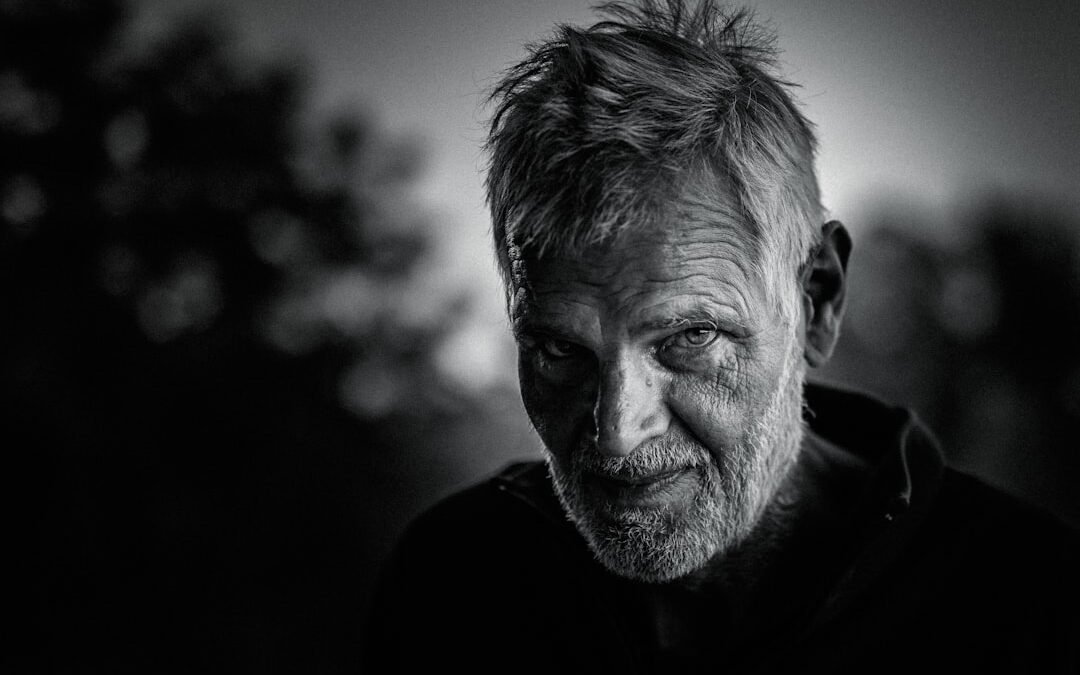
So, you’re curious about how photographers manage to capture that elusive “soul” in portraits? It’s not about magic wands or secret lenses, though good gear certainly helps. Ultimately, it comes down to a thoughtful blend of technical skill, genuine connection, and a bit of observation. Think of it as peeling back layers: the pose, the expression, the surroundings, and finally, the spark that makes someone uniquely them. It’s about seeing past the surface and reflecting what’s inside.
Before even lifting a camera, the portrait photographer’s most crucial tool is their ability to connect with their subject. This isn’t about having a best friend sitting for a photo; it’s about creating an atmosphere where genuine moments can unfold.
Building Rapport: More Than Just Small Talk
You’ve probably been in a photo session where you felt stiff and awkward, right? That’s usually because the photographer hasn’t made much effort to help you relax. Building rapport means going beyond the usual “nice weather we’re having.” It’s about finding common ground, asking open-ended questions, and actively listening.
Asking the Right Questions
Instead of asking “How are you?”, which often gets a standard “Fine,” try something like, “What’s something that really excites you lately?” or “What’s a memory that always makes you smile?” These prompts invite more meaningful responses and can reveal a lot about someone’s personality and passions.
Creating a Comfortable Environment
The shoot itself should feel more like a relaxed conversation or an activity than a formal sitting. This might mean shooting in a familiar location, having music playing, or even just taking breaks to chat. The goal is to make the subject forget they’re being photographed for brief, natural moments.
Reading the Room (and the Subject)
As you get to know someone, you start to pick up on subtle cues. Their body language, the way they hold themselves, the fleeting expressions that cross their face – these are all part of their story. A good portrait photographer is constantly observing and interpreting these non-verbal signals.
Body Language Speaks Volumes
Is their posture open and relaxed, or are they subtly guarded? Are their shoulders slouched, or are they standing tall? These unconscious gestures can convey confidence, nervousness, joy, or weariness, and a skilled photographer uses this information to guide their interactions and frame their shots.
Capturing Fleeting Expressions
The perfect smile that lasts for a second, the thoughtful gaze that lingers, the subtle furrow of a brow – these micro-expressions are often where the “soul” resides. It’s about anticipating these moments and being ready to click the shutter at precisely the right time.
If you’re interested in enhancing your photography skills, particularly in capturing stunning portraits, you might find this article on beauty portrait photography insightful. It delves into techniques and tips that can elevate your portrait work to the next level. For more information, check out the article here: Beauty Portrait Photographer in Shrewsbury.
Beyond the Smile: Authenticity in Expression
While a happy smile is lovely, portraits that truly resonate often capture a wider range of emotions. Authenticity is key. It’s about allowing the subject to be themselves, with all their nuances, rather than forcing a posed, artificial smile.
The Power of a Natural Expression
A forced smile is usually obvious; it doesn’t reach the eyes, and it can feel hollow. The goal is to elicit a genuine reaction, whether it’s a soft smile, a contemplative look, a laugh, or even a moment of vulnerability. These authentic expressions are what make a portrait memorable.
Encouraging Genuine Laughter
Sometimes, the best expressions come from spontaneous laughter. This can be triggered by a funny story, a shared inside joke, or even a deliberately silly comment from the photographer. The key is to create a lighthearted atmosphere where genuine amusement can flourish.
Embracing Subtle Emotions
Not every portrait needs to be a grand display of emotion. Sometimes, a quiet moment of reflection, a thoughtful gaze into the distance, or a gentle, almost imperceptible smile can be incredibly powerful. These subtleties often convey a deeper sense of personality and inner life.
The Eyes: Windows to the Soul
This is a cliché for a reason. The eyes are incredibly expressive and can convey a wealth of emotion and personality. A photographer’s skill in capturing the light and clarity in the eyes can make a huge difference in the impact of a portrait.
The Sparkle and Depth
When a subject’s eyes are sharp and well-lit, they seem to draw the viewer in. You can see the life and energy within them. This often comes down to careful attention to focus and lighting during the shoot.
The Gaze Direction
Where is the subject looking? Are they looking directly at the camera, engaging the viewer? Are they looking off into the distance, lost in thought? The direction of their gaze can tell a story and influence how the viewer perceives the portrait.
Mastering the Light: Sculpting with Shadows
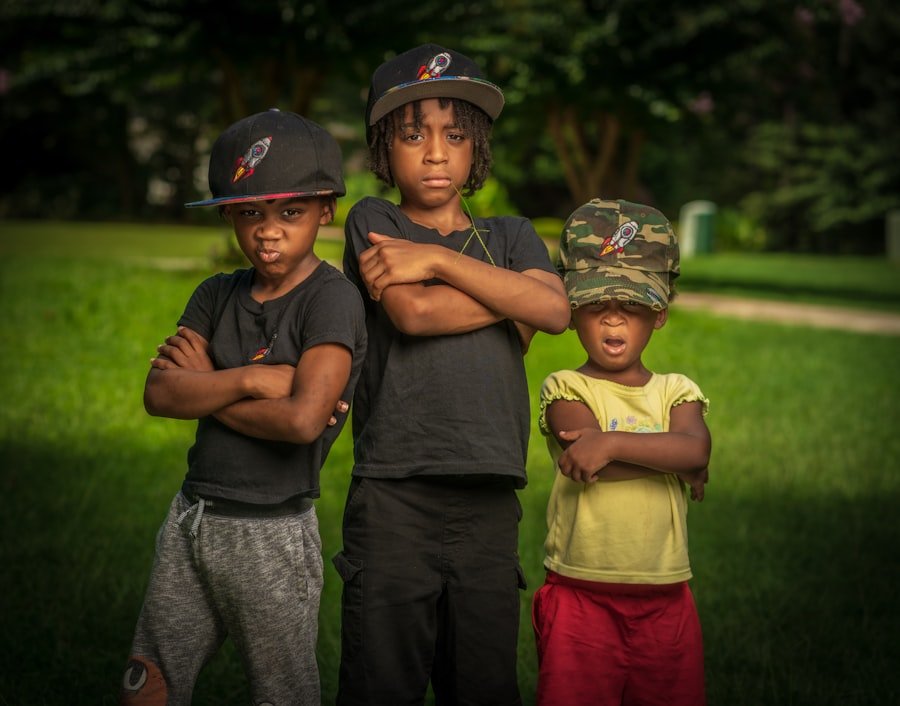
Light is the photographer’s paintbrush. It shapes the face, creates mood, and adds dimension. Understanding how to use light effectively is fundamental to creating compelling portraits, whether it’s natural light or artificial.
The Drama of Natural Light
Often, the most beautiful and flattering light is natural light. Think of soft, diffused light on an overcast day, or the warm glow of golden hour. These conditions can create a painterly quality that’s hard to replicate.
Window Light Magic
Shooting near a window can provide beautiful, soft, directional light that sculpts the face without harshness. The direction and intensity of the light can be easily controlled by moving the subject or the camera.
Golden Hour Glow
The hour before sunset and the hour after sunrise offer warm, soft, and flattering light. This light can create a dreamy, ethereal feel and add a beautiful glow to portraits.
The Control of Artificial Light
While natural light is wonderful, artificial lighting gives photographers more control. This can be crucial for consistency, especially in studio settings or challenging indoor environments.
Shaping with Studio Lights
Studio strobes and continuous lights allow for precise control over the intensity, direction, and color of light. This can be used to create dramatic shadows, highlight specific features, or produce a clean, evenly lit portrait.
Modifiers for Softness and Direction
Light modifiers, like softboxes, umbrellas, and beauty dishes, are essential tools for shaping artificial light. They can soften harsh light, create specific patterns of light and shadow, and add a professional polish to portraits.
Composition: Guiding the Viewer’s Eye
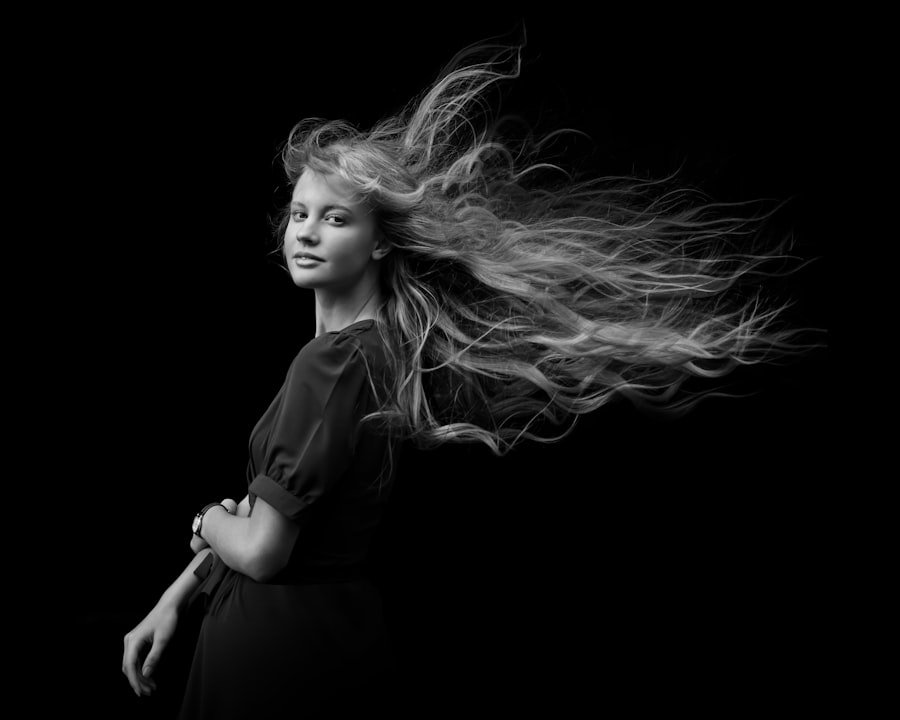
How you frame your subject is just as important as capturing their expression. Composition is about arranging the elements within the frame to create a visually appealing and meaningful image.
The Rule of Thirds and Beyond
The rule of thirds is a classic guideline, but it’s not the only way to compose a shot. Thinking about balance, lines, and negative space can lead to more dynamic and engaging portraits.
Using Leading Lines
Placing elements in the frame that naturally guide the viewer’s eye towards the subject, such as a path, a fence, or even architectural lines, can create a stronger connection to the portrait.
Creating Symmetry and Balance
Sometimes, a perfectly symmetrical composition can be striking. Other times, creating visual balance with off-center subjects and complementary elements can be more pleasing.
When to Fill the Frame (and When to Pull Back)
Sometimes, an intimate close-up is perfect for capturing a specific emotion. Other times, wider shots that include the environment can tell a richer story.
The Intimacy of Close-Ups
Filling the frame with a subject’s face can create a strong sense of intimacy and draw the viewer’s attention to their expressions. This is particularly effective for capturing subtle emotions.
The Storytelling Power of Environment
Including the surroundings can add context and tell us more about who the person is, what they do, or where they come from. It can ground the portrait and make it more evocative.
If you’re interested in enhancing your photography skills, particularly in capturing stunning portraits, you might find this article on the importance of lighting in portrait photography quite insightful. Understanding how to manipulate natural and artificial light can dramatically improve the quality of your images. For more tips and techniques, check out this informative piece on photography portraits.
Technical Craftsmanship: The Foundation of Great Portraits
| Metrics | Value |
|---|---|
| Number of portraits taken | 500 |
| Portrait session duration | 1 hour |
| Portrait retouching time | 30 minutes per photo |
| Portrait print size | 8×10 inches |
While connection and expression are paramount, solid technical skills are the bedrock that allows these elements to shine. A photographer needs to understand their camera and lighting to translate their vision into reality.
Understanding Your Camera Settings
Knowing how to adjust aperture, shutter speed, and ISO is crucial for achieving the desired look and feel of a portrait, from sharp focus to pleasing background blur.
Aperture: Controlling Depth of Field
A wide aperture (low f-number) creates a shallow depth of field, blurring the background and making the subject stand out. This is a common technique in portraiture to isolate the subject.
Shutter Speed: Freezing or Suggesting Motion
Using a fast shutter speed can freeze a fleeting expression perfectly. A slower shutter speed, when combined with intentional camera movement, can create a sense of dynamism or atmosphere.
ISO: Balancing Light and Noise
Controlling ISO is about managing sensitivity to light. While a low ISO generally produces cleaner images, knowing when to push it in low-light situations without introducing too much noise is key.
Focus: Sharpness Where It Matters
Sharp focus on the eyes is generally non-negotiable in portrait photography. It’s the point where the viewer connects with the subject.
Pin-Sharp Eyes
Ensuring the eyes are perfectly in focus is paramount. This often requires careful autofocus selection and a steady hand.
Creative Use of Depth of Field
While sharp eyes are important, sometimes intentionally softening other parts of the face can draw more attention to the most expressive features. This is a delicate balance.
Post-Processing: Enhancing, Not Erasing
Editing is an essential part of the process, but it’s about refining and enhancing what’s already there, not creating something that wasn’t.
Color Correction and White Balance
Ensuring the colors in the portrait are true to life, or intentionally adjusted for mood, is fundamental. Correcting white balance ensures skin tones look natural.
Subtle Retouching for Polish
Minor adjustments like removing temporary blemishes or smoothing out skin to reduce harshness are common. The goal is to enhance the subject’s natural look, not to create an artificial one.
Adjusting Contrast and Tone
Playing with contrast and tonal range can dramatically affect the mood and impact of a portrait, bringing out details and adding depth.
In the end, capturing the “soul” in a portrait is an ongoing journey. It’s about learning to see, to connect, and to translate those observations through the lens with skill and intention. It’s a rewarding process, both for the photographer and the person being photographed.