

So, you’re wondering about creating a family photo album? The simple answer is yes, absolutely! A family photo album isn’t just a collection of pictures; it’s a tangible record of your life, a storyteller for future generations, and a comforting presence in your home. Think of it as your family’s personal history book, filled with laughter, love, and life’s everyday adventures.
In our digital age, it’s easy to just scroll through photos on a phone or computer. But there’s a distinct magic to a physical album that digital files just can’t replicate.
The Tangible Connection
There’s something uniquely satisfying about holding a photo in your hands. It connects you to the moment in a way a screen doesn’t. The texture of the paper, the slight scent of an old photograph – these sensory details add to the experience. It’s a connection to the past that feels real and immediate.
A Focused Story
Digital photos often live in a chaotic jumble. An album, however, curates these moments. It allows you to tell a story, arrange events chronologically, or group them by theme. This intentional organization makes viewing a much more meaningful and enjoyable experience.
Screen-Free Engagement
Let’s be honest, staring at screens all day can get tiresome. A physical album offers a welcome break. It’s a wonderful activity to share with family, sparking conversations and shared memories without the distractions of notifications or endless scrolling.
A Legacy Beyond the Cloud
Digital files, despite their convenience, aren’t immune to loss. Hard drives fail, cloud services change, and file formats become obsolete. A well-made physical album, cared for properly, can last for generations, ensuring your family’s history endures regardless of technological shifts.
If you’re considering capturing beautiful moments through photography, you might also be interested in exploring the significance of family photos and how they can strengthen bonds and create lasting memories. For more insights on this topic, check out this related article on boudoir photography, which highlights the importance of personal expression in photography: Boudoir Photo Shoot.
Planning Your Album: Before You Start
Before you dive headfirst into printing, a little planning can go a long way in making the process smoother and the end result more satisfying.
Setting Your Scope
Are you creating an album for a specific event – a wedding, a child’s first year, a special vacation? Or is it a broader “year in review” or “best of” collection? Defining your scope early will help you manage the sheer volume of photos and keep your project focused.
Gathering Your Digital Treasures
This is where the real work begins. Go through your phone, camera, computer, and any other digital storage you use. Don’t be afraid to cast a wide net. You might unearth some forgotten gems.
Consolidating Your Sources
If your photos are scattered across multiple devices, consider using a tool or method to bring them all into one central location. Cloud storage like Google Photos or Dropbox can be helpful here, or simply transferring everything to a dedicated folder on your computer.
Basic Culling: The First Pass
As you gather, do a preliminary cull. Delete obvious duplicates, blurry shots, or accidental photos of the floor. This isn’t about perfection, but about clearing out the obvious junk to make the next steps easier.
Choosing Your Album Style
The type of album you choose will influence the number and size of photos you print and the overall aesthetic.
Traditional Albums with Sleeves
These are the classic, often with self-adhesive pages or clear pockets. They offer flexibility in arrangement and can be quite affordable. However, older adhesive pages can sometimes damage photos over time.
Photo Books (Print-on-Demand)
These are professionally bound books where your photos are printed directly onto the pages. They offer a polished, uniform look and are incredibly popular. Services like Shutterfly, Mixbook, and Blurb provide many options.
Scrapbooks
If you’re feeling creative, scrapbooks allow for personalization with embellishments, journaling, and various paper types. This is more of a hands-on, craft-oriented approach.
Digital Frames (Honorable Mention)
While not a physical album, a digital frame can still be a lovely way to display a rotating selection of family photos in a prominent spot in your home, offering a dynamic “album” experience.
Selecting Your Best Shots: The Art of Curation
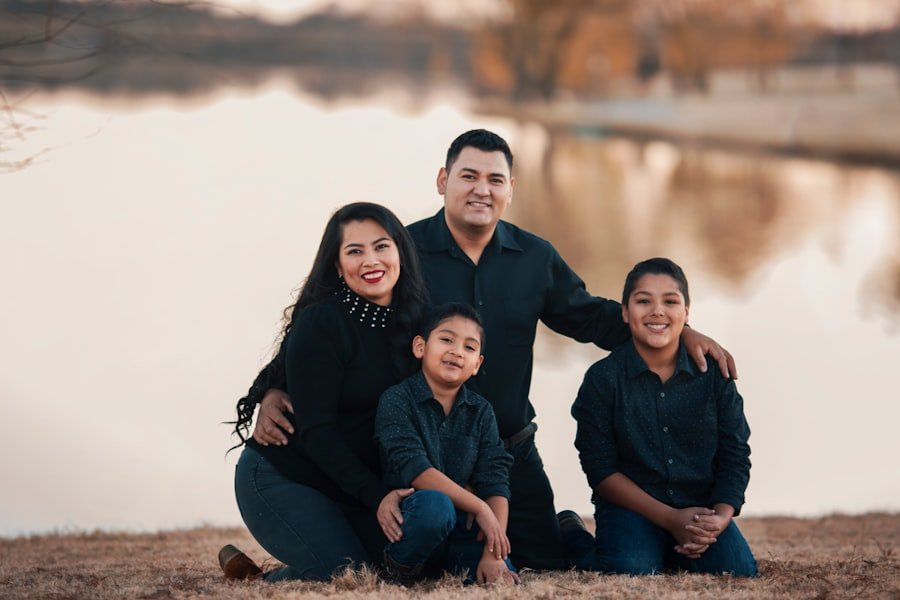
This is arguably the most crucial step. You can’t put every photo in an album, nor should you. The goal is to tell a compelling story, not just dump a collection of images.
The “Keeper” Criteria
When looking at a photo, ask yourself:
- Does it evoke a strong memory or emotion?
- Is it technically good enough (in focus, decent lighting)?
- Does it capture a significant event or a typical, beloved moment?
- Does it tell part of a larger story?
Focus on Emotion and Narrative
Prioritize photos that show genuine emotion – laughter, tears of joy, quiet contemplation. These are the moments that truly connect with us. Also, think about the narrative. If you’re documenting a trip, include key landmarks and candid shots of your family experiencing them.
Don’t Be Afraid to Exclude
It’s tempting to include every photo of a particular event, but this can lead to redundancy. If you have five very similar photos of the same scene, pick the best one or two. Less is often more when it comes to compelling storytelling.
A Mix of Candids and Posed Shots
While posed photos have their place, the candid, unscripted moments often become the most cherished. Include a good balance of both to give a truer picture of your family life.
Photo Editing: A Light Touch
Before printing, a little light editing can enhance your photos.
Basic Adjustments
Adjust brightness, contrast, and color balance if needed. Most phone editing apps or free computer software (like Google Photos editor or Apple Photos) offer these simple tools.
Cropping for Impact
Crop out distracting elements or improve the composition. Don’t be afraid to get a little closer to your subject if it enhances the story.
Avoiding Over-Editing
Resist the urge to apply heavy filters or make drastic changes. The goal is to enhance, not to transform. You want the photos to look natural and authentic to the moment.
Assembling Your Album: Bringing it to Life

Once you have your curated and edited photos, it’s time to bring your album together.
Laying Out Your Story
Think about pacing and flow. What images should open the album? How do different moments transition?
Chronological Flow
This is often the easiest and most intuitive method, especially for yearbooks or event-specific albums. It allows for a clear progression of time and events.
Thematic Grouping
If your album isn’t strictly chronological, consider grouping photos by themes: “Family Vacations,” “Holidays,” “Everyday Fun,” etc.
Visual Balance
When arranging photos on a page, consider their size, orientation, and color. Try to create a visually appealing spread. Don’t cram too many photos onto one page; give them some breathing room.
Adding Context: The Power of Captions
Captions turn a collection of images into a compelling narrative. They provide details and emotions that photos alone can’t convey.
Who, What, When, Where
At a minimum, include the date, location, and the names of the people in the photo. This seemingly simple information becomes incredibly valuable over time.
Answering “Why?” storytelling
Go beyond just identifying. Add a short anecdote, a funny quote, or a memory associated with the photo. Why was this moment special? What were you feeling? These personal touches make the album truly unique.
Handwriting vs. Typed
Handwritten captions add a personal, nostalgic touch. However, ensure your handwriting is legible. Typed captions, especially in photo books, offer a clean, uniform look.
Protecting Your Investment: Archival Care
A family photo album is an investment in your history. Treat it as such.
Archival-Safe Materials
When purchasing albums, sleeves, or glues, look for “archival-safe,” “acid-free,” or “photo-safe” labels. These materials won’t degrade your photos over time.
Storage Conditions
Store your album lying flat in a cool, dark, and dry place. Avoid attics, basements, or areas with extreme temperature fluctuations or high humidity, as these can damage photos and albums.
Handling with Care
Wash your hands before handling photos or albums to avoid transferring oils and dirt. When showing the album to others, encourage gentle handling.
Capturing family moments through photography is essential for preserving memories that can be cherished for a lifetime. If you’re interested in exploring how professional portraits can enhance your family photo collection, you might find this article on headshot photography particularly insightful. It discusses the importance of quality images and how they can elevate your family’s visual storytelling. For more information, you can check out the article here: headshot photography.
Maintaining Your Legacy: Ongoing Engagement
| Year | Number of Family Photos Taken | Number of Printed Photos |
|---|---|---|
| 2018 | 500 | 300 |
| 2019 | 700 | 400 |
| 2020 | 600 | 350 |
A family photo album isn’t a “one-and-done” project. It’s a living document that benefits from ongoing engagement.
Regular Updates and Additions
Consider making a new album annually, or creating smaller “chapter” albums for significant events. This keeps the project manageable and ensures your family’s story continues to be told.
Annual Albums
Committing to an annual album helps you keep up with new memories and avoids the daunting task of tackling years of photos all at once. It becomes a cherished tradition.
Event-Specific Albums
For major life events like graduations, milestone birthdays, or once-in-a-lifetime trips, a dedicated album can offer a deeper dive into those special moments.
Sharing and Reconnecting
The true magic of a family photo album comes from sharing it.
Storytelling Sessions
Gather the family, open the album, and let the photos spark conversations. Share memories, tell stories, and laugh together. This strengthens family bonds and ensures stories are passed down.
Bridging Generations
Albums are fantastic tools for connecting with older relatives. They can share stories from their youth, identify people in old photos, and offer valuable historical context. Similarly, they help younger generations understand their roots and family history.
Digital Backups (Still Crucial!)
Even with a physical album, maintaining good digital backups of your original photos is critical. Think of it as insurance. If something happens to your physical album, you still have the raw materials to recreate it.
Multiple Backup Solutions
Don’t rely on just one backup. Use a combination of methods: external hard drives, cloud storage, and even a second copy on a separate drive or location.
Regular Backup Schedule
Make backups a routine. Whether it’s monthly or quarterly, stick to a schedule to ensure your most recent memories are protected.
Creating a family photo album isn’t just about printing pictures; it’s about preserving a legacy. It’s an act of love, a testament to the moments that shape us, and a bridge connecting past, present, and future generations. So, gather those photos, tell those stories, and start building your family’s priceless visual history. You won’t regret it.